HSK 1

Lesson 3 · 你是学生吗

What you'll learn

Use `是` for identity and nationality, `的` for relationships, and sentence-final `吗` to confirm information.
About 24 min
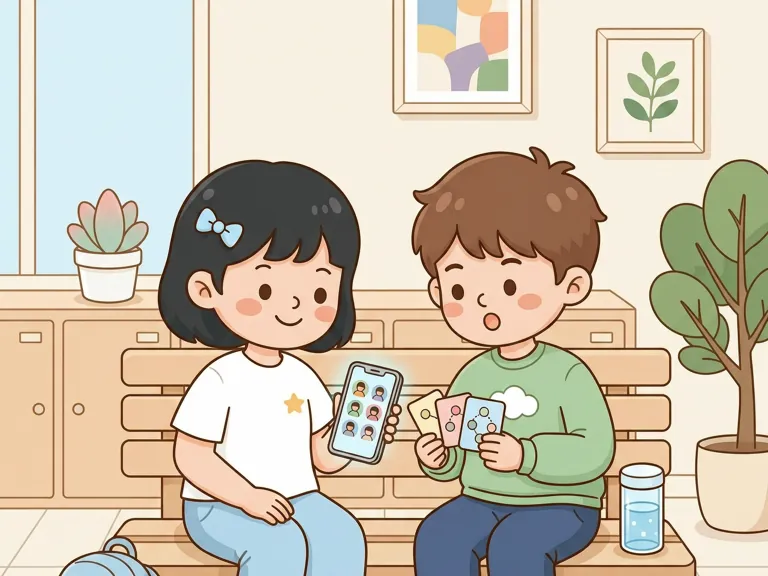
Two students on campus looking at a phone photo and introducing a friend.
1

Listen and Read

Use a new-friend introduction scene to practice `是`, `的`, and `吗`.

小安
这是我的朋友。
Zhè shì wǒ de péngyou.
This is my friend.
周明
她是谁?
Tā shì shéi?
Who is she?
小安
她是安娜,她是法国人。
Tā shì Ānnà, tā shì Fǎguó rén.
She is Anna. She is French.
周明
她是学生吗?
Tā shì xuésheng ma?
Is she a student?
小安
是,她是学生,也是我的同学。
Shì, tā shì xuésheng, yě shì wǒ de tóngxué.
Yes. She is a student and also my classmate.
周明
那是你的中文老师吗?
Nà shì nǐ de Zhōngwén lǎoshī ma?
Is that your Chinese teacher?
小安
不是,那是我的姐姐。
Bú shì, nà shì wǒ de jiějie.
No. That is my elder sister.
2

Core Words

First learn the words that appear often in the main dialogue and grammar points.

rén
person
de
particle for possession or description
中国
Zhōngguó
China
法国
Fǎguó
France
中文
Zhōngwén
Chinese language
zhè
this
shéi
who
she; her
姐姐
jiějie
elder sister
ma
question particle
duì
right; yes
3

Learning Note

Connect country names with `人`.

`中国 + 人 = 中国人`; `法国 + 人 = 法国人`. Read each as a complete phrase first, then use it in patterns like `我是...` and `她是...`.

中国人
Zhōngguó rén
Chinese person
法国人
Fǎguó rén
French person
4

Pattern: `A 是 B`

Use `是` to introduce identity, category, or nationality.

A 是 B

`是` connects the two sides of a sentence and tells who someone is, what identity they have, or what category they belong to.

我是中国人。
Wǒ shì Zhōngguó rén.
I am Chinese.
她是法国人。
Tā shì Fǎguó rén.
She is French.
他是学生。
Tā shì xuésheng.
He is a student.
这不是我的老师。
Zhè bú shì wǒ de lǎoshī.
This is not my teacher.
5

Pattern: `A 的 B`

Use `的` to show a relationship between people or things.

A 的 B

`的` goes between the describing word and the main noun. It often shows possession or relationship. Practice the full pattern first.

我的朋友
wǒ de péngyou
my friend
她的中文老师
tā de Zhōngwén lǎoshī
her Chinese teacher
你的名字
nǐ de míngzi
your name
我的姐姐
wǒ de jiějie
my elder sister
6

Pattern: `陈述句 + 吗?`

Put `吗` at the end to confirm something.

陈述句 + 吗?

Add `吗` after a statement to turn it into a yes-or-no question. You can answer with simple words like `是`, `不是`, or `对`.

你是学生吗?
Nǐ shì xuésheng ma?
Are you a student?
她是中国人吗?
Tā shì Zhōngguó rén ma?
Is she Chinese?
那是你的老师吗?
Nà shì nǐ de lǎoshī ma?
Is that your teacher?
这是你的朋友吗?
Zhè shì nǐ de péngyou ma?
Is this your friend?
7

Quick Practice

First choose `是`.

Complete the prompt: `A:她______学生。`

Which word should fill the blank when introducing identity?

8

Quick Practice

Then choose `的`.

Complete the prompt: `A:这是我______朋友。`

Which word should fill the blank in `我的朋友`?

9

Quick Practice

Choose the best word to complete the question.

Complete the prompt: `A:你是学生______? B:是,我是学生。`

Which word turns this statement into a yes-or-no question?

10

Learning Note

Complete a self-introduction with three short sentences.

Try one sentence each with `我是...`, `这是我的...`, and `你是...吗?`. Keep the sentences short and focus on the position of `是`, `的`, and `吗`.

这是我的朋友。
Zhè shì wǒ de péngyou.
This is my friend.
她是法国人。
Tā shì Fǎguó rén.
She is French.
她是学生吗?
Tā shì xuésheng ma?
Is she a student?